
Root canal treatment has a reputation problem. In reality, it's the procedure that saves a badly infected tooth — the alternative is usually losing it entirely.
Why it becomes necessary
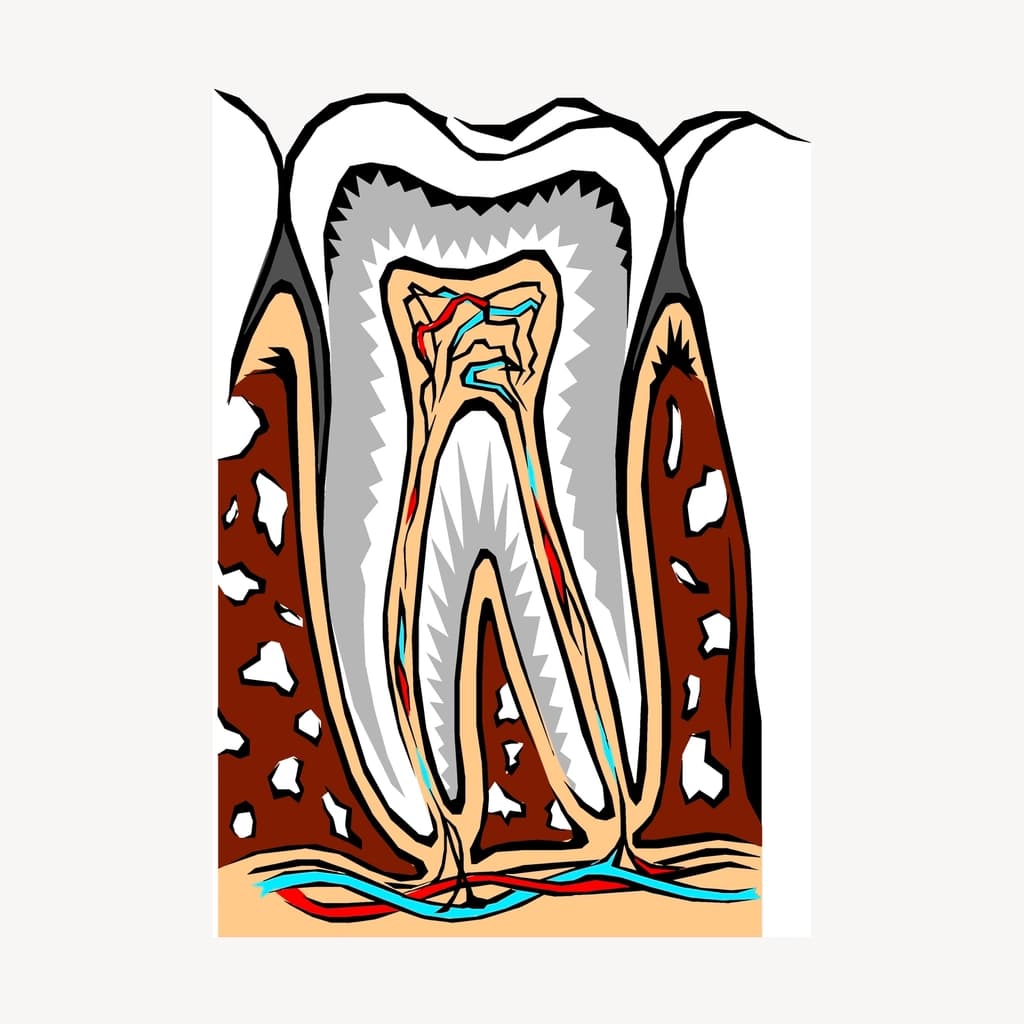
Inside every tooth is a soft core of nerves and blood vessels called the pulp. When deep decay, a crack, or repeated dental work lets bacteria reach it, the pulp becomes infected and can't heal on its own. Left alone, that infection spreads into the surrounding bone and often gets more painful, not less.
What the procedure actually does
Root canal treatment removes the infected pulp, cleans and disinfects the space inside the tooth, then seals it. The tooth itself stays in your mouth, doing its job — it's just no longer relying on that internal nerve tissue. Afterward, we usually recommend a crown to protect what's often a more brittle tooth structure at this point.
Does it hurt?
The procedure is done under local anaesthesia, and modern technique means most patients feel about the same as they would during a filling. The pain people associate with "needing a root canal" is almost always caused by the infection itself, before treatment — not by the treatment.
By the time a root canal is needed, the untreated infection is usually the more painful option, not the fix for it.
If you've been told you need one and are putting it off out of worry about the procedure, that's worth discussing directly — waiting tends to make the infection worse, not the treatment easier.
This article is general information, not a diagnosis. Ask Dr. Nihar what applies to your mouth specifically.