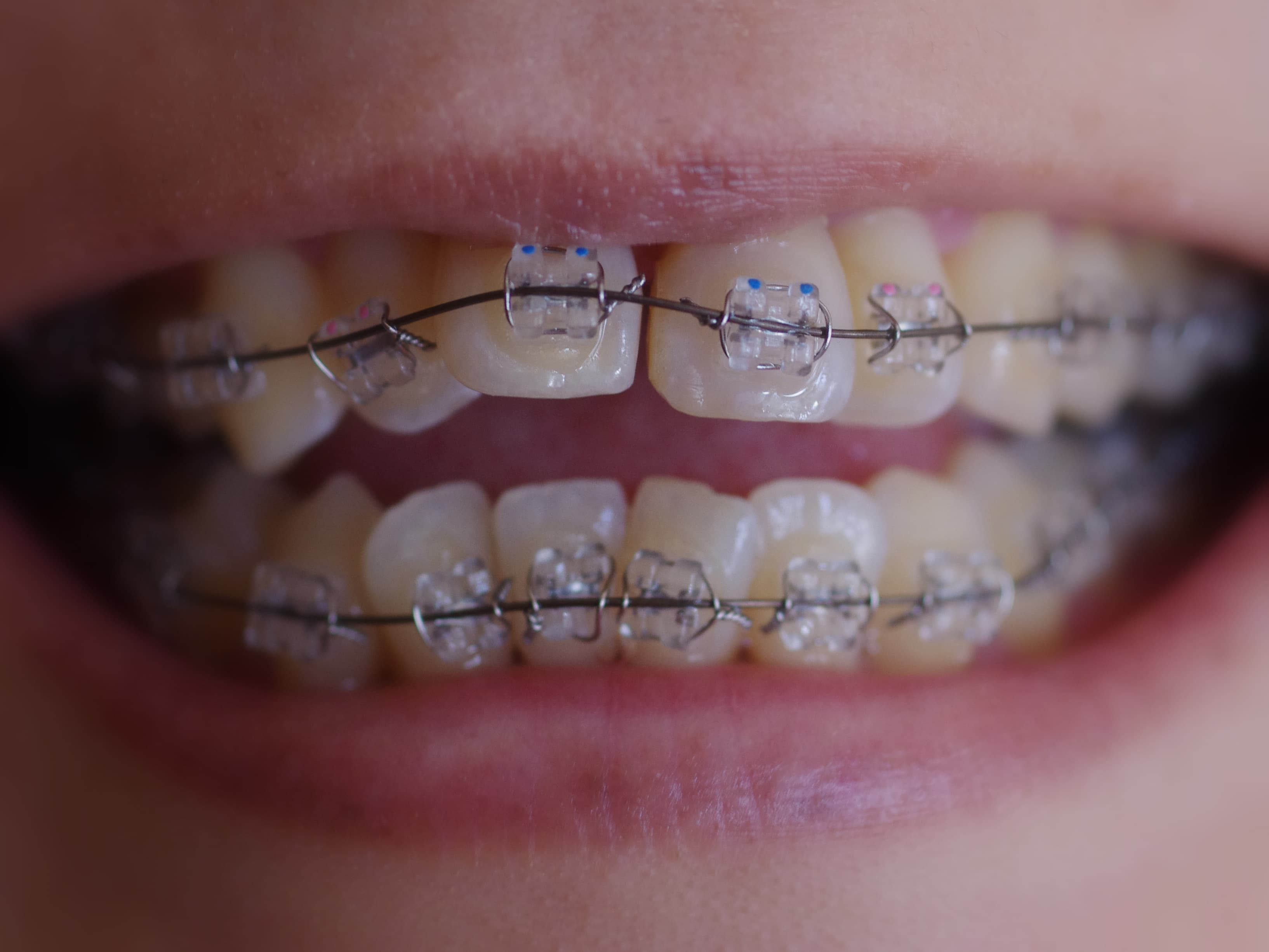
What is braces / aligners?
Orthodontic treatment moves teeth gradually into a better position, using either fixed braces (brackets and wires) or clear aligners, depending on what your bite and alignment actually need. Fixed braces remain the most effective option for complex movements; aligners suit milder cases where a removable, less visible option matters more.
Who is it for?
You have crowded, gapped, or misaligned teeth.
Your bite does not meet evenly, or your jaw feels strained.
You want a professional opinion on which option — braces or aligners — actually suits your case.
You are considering orthodontic treatment for a teenager or as an adult.
Concerns patients bring to us
- Crowded or overlapping teeth that are hard to clean properly.
- A bite that does not meet evenly, or jaw discomfort.
- Uncertainty about whether aligners will actually work for your case.
- Wanting a realistic timeline before committing to treatment.
Benefits
Fixed braces or aligners recommended based on what will actually work, not preference alone.
Addresses bite and alignment issues, not only how teeth look.
Suitable for teenagers and adults alike.
You see the expected movement and timeline before starting.
The treatment process
Examination, X-rays and a discussion of what is actually needed.
Fixed braces or clear aligners, based on your specific case.
Braces are fitted, or your first set of aligners issued.
Periodic adjustments (braces) or moving through the aligner series.
A retainer holds the corrected position once treatment finishes.
Technology & approach
Your bite and alignment are assessed with X-rays and photographs before a recommendation is made — the option suggested is based on what your case actually needs, not a default.